
In the ecosystem of Facebook Ads (Meta Ads), account disablement is not random it is a direct consequence of how Meta’s enforcement systems interpret risk, compliance, and user experience signals. For advertisers operating at scale, especially agencies and performance marketers, understanding these triggers is essential to maintaining long-term account stability and protecting ad spend continuity.
At a structural level, Meta disables ad accounts to protect platform integrity, reduce user harm, and enforce advertising policies at scale. With billions of ads reviewed through automated systems, even minor infractions when compounded can escalate into permanent bans.
The Core Reason: Violation of Meta Advertising Policies
The most dominant cause behind permanent disablement is non-compliance with Meta Advertising Policies. This includes both explicit violations and gray-area practices that trigger automated risk models.
Common high-risk violations include misleading claims, prohibited products, and manipulative ad creatives. For example, exaggerated promises like unrealistic weight loss or “get rich quick” offers are frequently flagged as deceptive marketing practices . Additionally, promoting restricted categories or using non-compliant creatives (e.g., before-and-after images, sensational language) significantly increases the probability of account shutdown.
What many advertisers underestimate is that Meta evaluates not just the ad itself, but the entire funnel including landing pages. A mismatch between ad messaging and landing page content, slow load times, or aggressive pop-ups can be interpreted as poor user experience or even fraud signals.

Negative Feedback and Ad Quality Signals
Meta’s algorithm heavily weights user sentiment signals. If users frequently hide, report, or ignore your ads, the system interprets this as low relevance or harmful content.
High negative feedback scores can degrade your Account Quality Rating, eventually leading to restrictions or permanent disablement. This is not just about compliance, it’s about perceived value. Even technically compliant ads can be penalized if they consistently generate poor engagement or annoyance signals.
In performance marketing terms, this aligns with declining Relevance Score / Quality Ranking / Engagement Rate Ranking, which indirectly contributes to account risk.
Suspicious or Abnormal Account Activity
Meta employs advanced fraud detection systems to monitor behavioral anomalies. Sudden deviations from normal activity patterns are often treated as potential threats.
Typical triggers include rapid increases in ad spend, frequent login attempts from different geographic locations, or repeated changes in payment methods. Even operational behaviors like account sharing, VPN usage, or running ads immediately after account creation can raise red flags.
From a systems perspective, these behaviors resemble account takeover patterns or arbitrage abuse, which Meta aggressively mitigates.
Asset-Level Contamination and Network Risk
One of the most overlooked factors is asset linkage risk. In Meta’s infrastructure, your ad account does not operate in isolation, it is connected to a broader network including Business Manager, Pages, Pixels, domains, and payment profiles.
If any linked asset has a history of violations, the entire ecosystem inherits that risk. For instance, using a Business Manager previously associated with banned accounts or flagged payment methods can significantly increase the likelihood of disablement.
This is often referred to in the industry as “account contamination” or “trust score inheritance.”
Circumventing Systems and Policy Evasion
Meta explicitly penalizes attempts to bypass enforcement mechanisms. This includes creating new accounts after a ban, duplicating rejected ads with minor edits, or using cloaking techniques.
Such actions are categorized under circumventing systems, one of the most severe violations. Once detected, this behavior often results in permanent and irreversible bans across multiple assets.
Payment and Billing Issues
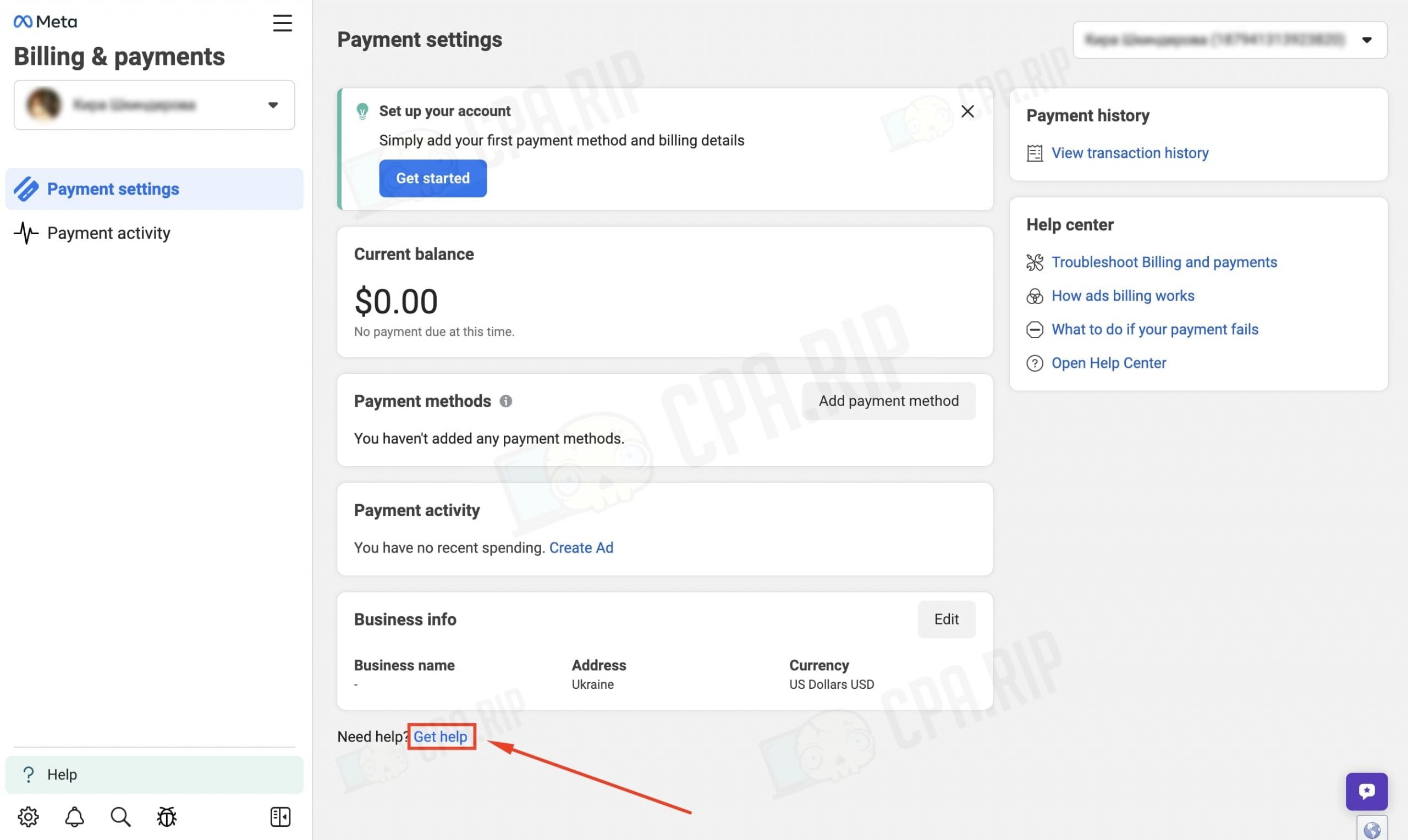
Although less discussed, financial integrity plays a crucial role. Failed payments, chargebacks, or suspicious billing activity can trigger automatic suspension.
From Meta’s perspective, payment anomalies are closely tied to fraud prevention. Advertisers with inconsistent billing histories are considered high-risk, especially in high-spend accounts.
The Role of Automation and False Positives
It’s important to acknowledge that Meta’s enforcement is largely automated. In 2025, enforcement systems became even more aggressive, sometimes disabling accounts without clear explanations.
This leads to false positives, where legitimate advertisers are mistakenly flagged. Large-scale advertisers even those spending millions are not immune to this, highlighting the imperfect nature of algorithmic moderation.
A System-Level Perspective
From a broader lens, Facebook ad account disablement is the result of multi-layered risk scoring, combining:
- Policy compliance signals
- User feedback loops
- Behavioral anomaly detection
- Network-level trust scoring
- Financial risk indicators
Once an account crosses a certain risk threshold, the system enforces restrictions—often permanently.
Final
Permanent disablement is rarely caused by a single mistake. More often, it is the cumulative effect of small compliance gaps, weak account hygiene, and negative performance signals over time.
For advanced advertisers and agencies, the key is not just avoiding violations but building a high-trust advertising infrastructure, where ad quality, user experience, and operational consistency are aligned with Meta’s internal risk models.
In a platform where automation dominates enforcement, predictability and compliance are your strongest assets.
If you’re looking to build a more stable and scalable advertising setup, or facing challenges with your current infrastructure, WeFun Agency is always ready to help. Reach out to our team anytime for fast support, reliable solutions, and expert guidance to keep your campaigns running smoothly.